
United Petro Group: The Trader Behind Togo's Floating Fuel Fortress
How UPG's Strategic Terminal Move Threatens to Undermine Africa's Refining Revolution Amid Dangote's Rise

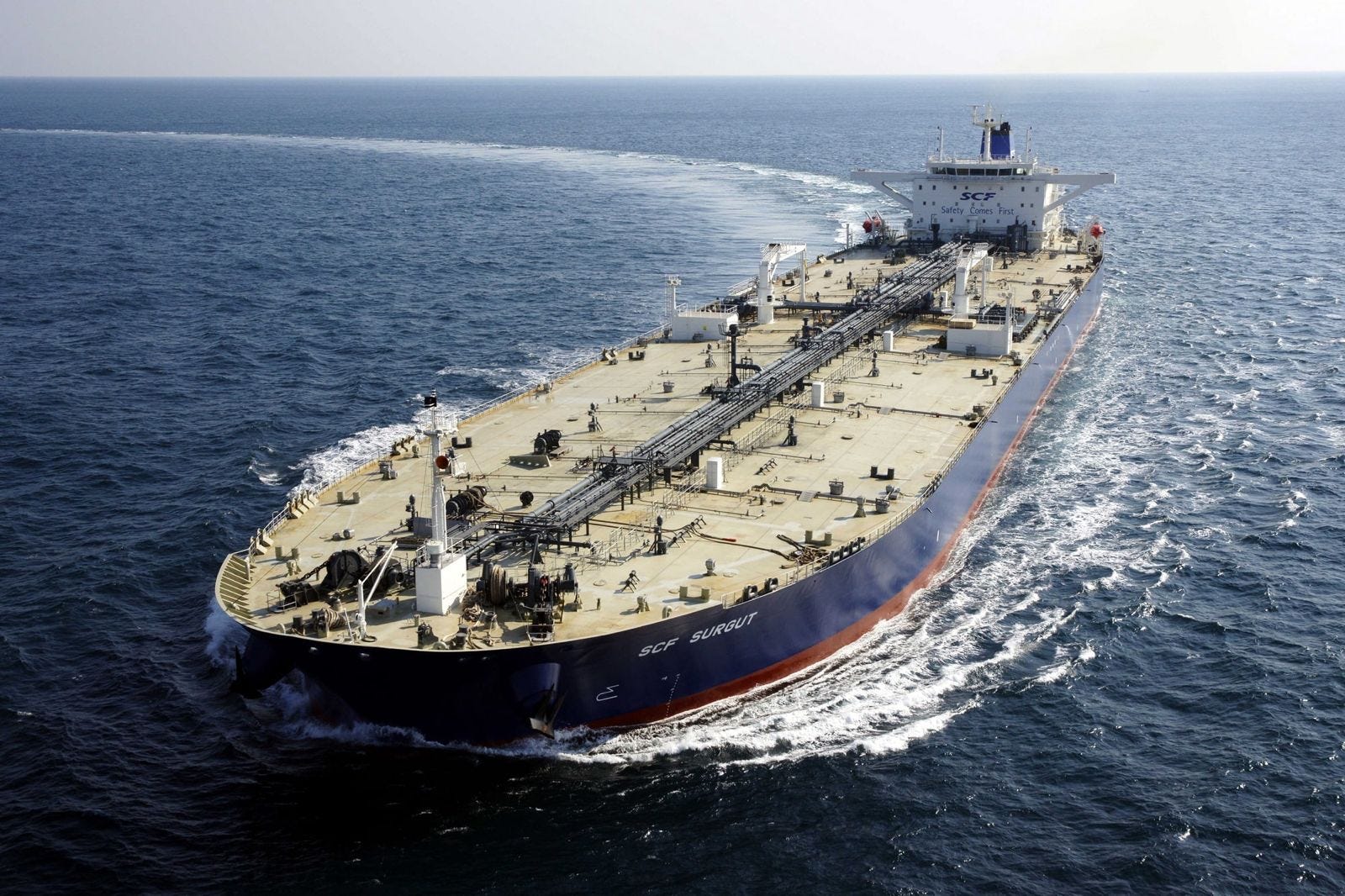
Petro GroupBehind Togo's controversial 160,000-metric-ton floating fuel terminal stands United Petro Group (UPG). This Singapore-based energy trading powerhouse has rapidly expanded since its founding in 2004 to become a formidable force in global oil markets. While UPG presents itself as addressing West Africa's storage infrastructure gaps, the timing of its Togo project, set for launch in August 2025, has sparked intense industry debate about its potential impact on Africa's quest for energy sovereignty, particularly following the inauguration of the Dangote refinery in 2023.
The accurate scale of UPG's operations is only beginning to surface, with investigations revealing that the company, founded by Dr. Ganapathi Dhiwaghar, now operates across 16 countries and generates hundreds of millions in revenue from crude oil, petroleum products, LNG, and LPG trading. Most alarmingly, UPG's floating terminal in Lomé is positioned to create a permanent distribution hub for imported refined products in West Africa, potentially undermining efforts to develop domestic refining capacity across the region. To do this, UPG has leveraged its significant financial resources and global partnerships to secure the Togo project, establishing a strategic beachhead for imported fuels in the region. Yet despite the profound implications for regional energy security, public scrutiny of UPG's operations remains limited. The system proceeds with minimal oversight, allowing this trading company to establish control over critical energy infrastructure while being celebrated as an investor in African development.
The apparent inability to resist UPG's strategic expansion into West Africa stems mainly from the company's substantial financial resources and global reach, which have proven effective in navigating regulatory environments. There is a concerning lack of transparency in UPG's operations that allows the company to function with minimal public scrutiny, creating an information vacuum around their activities and intentions. This vulnerability has been enabled by international financial institutions, which have consistently justified such offshore storage projects as essential for regional energy security. By doing so, they avoid addressing the long-term implications of allowing foreign trading houses to control critical energy infrastructure that could determine fuel prices and supply security for decades.
However, this opacity has become UPG's primary competitive advantage, transferring meaningful oversight from African regulators to the company's internal processes. These processes prioritise profit maximisation over African development priorities. Furthermore, African technical expertise and business participation appear limited in UPG's projects, though specific staffing data remains unavailable in public records.
Yet the most controversial aspect of UPG's African expansion is the timing of their Togo project, announced as the Dangote refinery began operations in 2023. While no direct causal link has been proven, industry leaders like Aliko Dangote have publicly criticised floating terminals, suggesting they undermine the economics of new African refineries. International development agencies have become central players in this dynamic, with infrastructure programs consuming billions that could have supported domestic refining capacity. There is little attempt to hide this behaviour, with programs often listed under names that explicitly describe their services. This has enabled a development ecosystem that provides foreign companies like UPG with extensive access to African markets under the pretext of addressing infrastructure gaps.
However, this development assistance framework obscures the reality that UPG's Togo project may represent a strategic response to the threat posed by increased African refining capacity. Their marketing to West African governments emphasises immediate fuel storage solutions without requiring significant upfront capital investments, coupled with long-term commitments for storage and distribution services. This approach encourages governments to prioritise short-term solutions over long-term energy independence, perpetuating dependency. Consequently, many West African nations find themselves locked into arrangements with UPG for decades, with this form of energy infrastructure presented as the only viable option for meeting growing demand. UPG has leveraged this dependency to treat African fuel markets as captive customers, using supply security concerns to extract favourable terms long after projects become profitable. African energy ministries have become centres of contractual dependency, alongside other supposedly sovereign institutions, all consisting of officials engaged in similar patterns of concession negotiation.
Beyond the financial costs, UPG's expansion into West Africa has fundamentally distorted regional energy development by creating an easier, foreign-controlled alternative to domestic refining. In the fuel storage sector alone, there has been a significant shift toward offshore solutions rather than domestic infrastructure development, with UPG's floating terminal discouraging investment in African storage and distribution networks. Furthermore, legitimate African energy companies that adhere to local content requirements, invest in domestic refining, and meet regional development goals find themselves at a competitive disadvantage against international traders like UPG, who leverage their global scale and financial resources to maintain control over fuel supply. This creates a race to the bottom scenario that disadvantages African entrepreneurs, who are unable to compete with international traders that can store and distribute fuel more cheaply using offshore facilities.
The detrimental developmental impact cannot be overstated, especially when public funds used for fuel subsidies and infrastructure development indirectly subsidise foreign trading houses like UPG that exploit the system. This represents a catastrophic misallocation of national resources, with public money working against African citizens' interests by prolonging dependency on imported fuels and discouraging local investment. Energy security is also directly compromised through a foreign-controlled fuel supply that limits African policy options and creates vulnerability to global market shocks, all operating under the guise of partnership. The core issue is not merely fuel storage provision, but how this system actively incentivises continued external control and resource extraction.
Despite growing awareness and warnings from African industrialists like Aliko Dangote, who has explicitly stated that floating terminals like UPG's may prevent new refineries from being built in Africa, the response remains inadequate. African governments disproportionately focus on short-term fuel supply security while ignoring the long-term implications of allowing foreign traders to control critical energy infrastructure. This has resulted in a system where individual supply agreements are occasionally renegotiated as examples of African agency, while broader strategic issues enabling international traders like UPG to maintain control over regional energy security remain unaddressed. Despite West African countries’ positioning themselves as committed to energy independence and industrial development, their reliance on foreign-controlled infrastructure sends a concerning message about their actual capacity or willingness to act.
Years of uncontrolled dependency on imported fuels, underinvestment in domestic infrastructure, and international traders like UPG determined to maintain the status quo have allowed this situation to become a regional crisis. Reactive measures targeting symptoms rather than root causes, combined with energy policies providing endless opportunities for foreign exploitation, have enabled this system to become deeply embedded in West Africa's energy landscape. The necessity of a reliable fuel supply has created an environment where trading companies like UPG profit from Africa's energy dependency in plain sight, inadvertently supported by African governments. Unless confronted decisively, the ramifications will continue to expand, impacting industrial development, energy security, and economic sovereignty, with more West African economic sectors coming under foreign influence operating under the guise of partnership and progress.
The Financial Network Supporting UPG's African Expansion
Verified Financial Partnerships
Chishti Group Joint Venture
UPG's expansion into Africa has been significantly bolstered by its 2021 joint venture with the Chishti Group, described as "a powerful, financially backed company" with substantial influence in international energy markets. This partnership demonstrates UPG's strategy of aligning with well-capitalised regional players who provide local market intelligence and political access. The Chishti Group-UPG joint venture, operating from Singapore, creates a formidable combination of international trading expertise and regional financial muscle, enabling UPG to pursue ambitious projects like the Togo floating terminal.
Investment Trust of India (ITI) Connection
UPG's financial structure includes documented ties to the Investment Trust of India (ITI), though the scale is more limited than initially suggested:
ITI acquired 500,000 equity shares of United Petro Finance Limited
The company facilitated rights issues worth approximately $2.7 million.
United Petro Finance Limited operates within the ITI group structure.
CRISIL, a leading credit rating agency, has rated UPFL's bank facilities, indicating institutional recognition of their financial stability
This Indian financial backing provides UPG with access to South Asian capital markets and the political connections inherent in India's financial sector.
Institutional Investor Base
United Oil & Gas Plc Shareholder Structure
While UPG operates as a subsidiary of United Oil and Gas Group Inc., the publicly traded United Oil & Gas Plc provides insight into the institutional backing supporting related entities. Their major shareholders include:
Hargreaves Lansdown Asset Management Ltd. (16.1% ownership)
Interactive Investor Services Ltd. (10.9% ownership)
Aberdeen Group Plc (11.6% ownership)
IG Markets Ltd. (2.018% ownership)
Shard Capital LLP (1.774% ownership)
HSBC (significant institutional holding)
James Brearley & Sons Ltd. (2.34% ownership)
These institutional investors represent substantial financial interests in global markets, providing UPG with credibility and access to capital markets that few African companies can match.
Global Banking and Capital Market Access
UPG raises capital for major projects through bonds and securities, working with international investment banks and institutional investors. This approach gives them access to global capital markets and the ability to structure complex financing arrangements that exceed the capacity of most African competitors. Their banking relationships span multiple continents, allowing them to tap various funding sources depending on regional opportunities and market conditions.
Strategic Financial Positioning
UPG's financial network enables several competitive advantages in African markets:
Capital Superiority: Access to institutional funding allows UPG to outspend local African competitors in securing strategic projects and infrastructure.
Long-Term Planning: Their financial resources enable contracts and investments with time horizons extending beyond typical African government or company planning cycles.
Political Influence: Deep financial connections provide leverage at government levels, potentially shaping regulatory environments favourably.
Risk Management: Substantial backing allows UPG to absorb risks that would deter local investors, including political instability or regulatory changes.
Market Control: With infrastructure like the Togo floating terminal, UPG can influence regional fuel prices and supply dynamics.
This financial network explains UPG's ability to establish the Togo floating terminal project scheduled for August 2025. While not directly proven as a response to the Dangote refinery, the timing coincides with increased African refining capacity that threatens traditional import-dependent business models. UPG's financial backing represents a strategic counteroffensive by international trading interests determined to maintain influence in Africa's energy sector despite the continent's growing refining capabilities.
End Note for Readers
If you care about energy sovereignty, fair competition, and African development — follow Refining Watch Africa and share this post. Next, we'll examine the political and business networks facilitating international traders' dominance in African energy markets and explore policy solutions for genuine energy independence.